
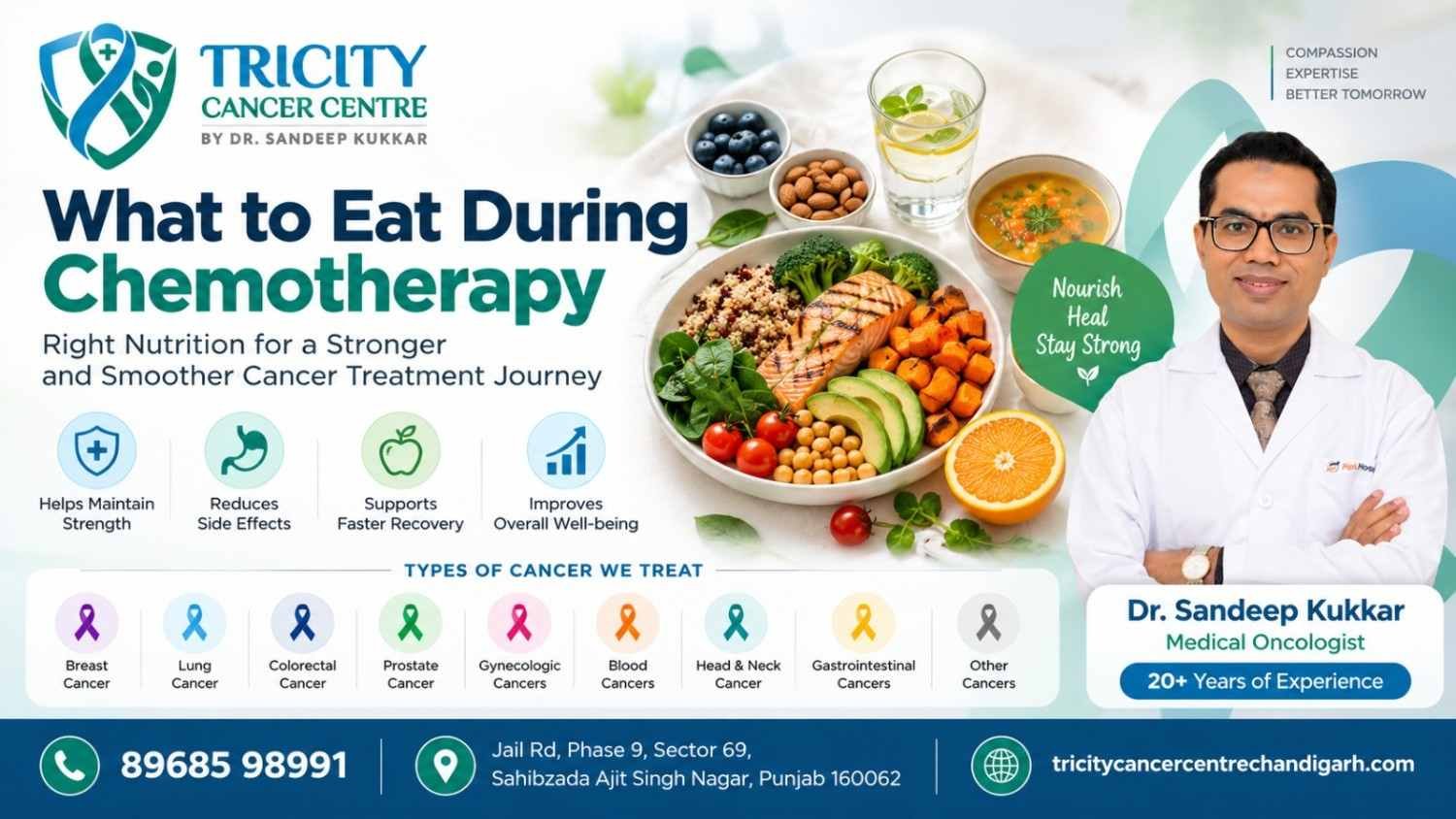
Chemotherapy is an important part of cancer treatment, but it can sometimes affect appetite, digestion, taste and the body’s ability to tolerate certain foods. Choosing suitable meals and maintaining adequate nutrition can help patients manage treatment-related challenges and support their overall well-being.
If you or a loved one is undergoing chemotherapy, understanding what to eat during chemotherapy can make everyday meal planning easier. Patients receiving Chemotherapy Treatment in Mohali should discuss dietary concerns, treatment-related side effects and nutritional requirements with their oncology team. The right dietary approach depends on the type of cancer, treatment plan and individual nutritional needs.
Why Is Nutrition Important During Chemotherapy?
Cancer treatment may cause nausea, vomiting, constipation, diarrhoea, mouth sores, taste changes and reduced appetite. These side effects can make it difficult to eat enough food and maintain a healthy weight.
Adequate nutrition helps the body receive the calories, protein, vitamins, minerals and fluids it needs during treatment. Patients undergoing cancer treatment in Mohali may experience changes in appetite, digestion or taste, making personalised dietary guidance particularly important.
A balanced diet can support general well-being during treatment. However, nutritional needs vary depending on the diagnosis, side effects and medical history. Patients should consult their oncology team before making major dietary changes.
What to Eat During Chemotherapy: Foods to Consider
When planning meals, patients may benefit from including a variety of protein-rich foods, carbohydrates, fruits, vegetables and fluids, depending on their tolerance and medical advice.
1. Protein-Rich Foods
Protein supports the maintenance and repair of body tissues. Patients who struggle with appetite or weight loss may need additional protein and calories.
Suitable options may include:
- Well-cooked eggs
- Milk, yoghurt and pasteurised dairy products
- Dal, lentils and beans
- Paneer and tofu
- Fully cooked chicken or fish, if included in the patient’s diet
- Nutrition drinks recommended by a healthcare professional
Adding protein to meals and snacks can help patients meet their nutritional needs. However, the amount required varies from person to person.
2. Easy-to-Digest Carbohydrates
When nausea or reduced appetite makes eating difficult, simple, familiar meals may be easier to tolerate.
Depending on individual symptoms, options can include rice, khichdi, porridge, toast, potatoes, soft chapati with suitable accompaniments, or mild soups. Smaller portions may feel more manageable than large meals.
Patients should adjust food choices according to their symptoms and any dietary restrictions provided by their medical team.
3. Fruits and Vegetables
Fruits and vegetables provide important vitamins, minerals and fibre. Choose produce that is thoroughly washed under running water and prepare it safely.
Cooked vegetables, soft fruits and other easy-to-tolerate options may be useful when appetite or digestion changes. If the patient’s immune system is weakened, the oncology team may recommend additional food-safety precautions.
4. Healthy Sources of Calories
Some patients lose weight because they cannot eat enough during treatment. In these situations, calorie-dense foods may help meet energy needs.
Depending on individual requirements, options may include nut butter, milk, yoghurt, paneer, eggs, or adding suitable oils to meals. A registered dietitian can recommend the right portions and food combinations.
Foods to Avoid or Handle Carefully During Chemotherapy
There is no universal list of foods that every chemotherapy patient must avoid. However, food safety becomes particularly important because some treatments can lower infection-fighting white blood cells.
Patients may need to avoid or take special care with:
- Raw or undercooked meat, poultry, seafood and eggs
- Unpasteurised milk, dairy products and juices
- Unwashed fruits and vegetables
- Raw sprouts
- Food stored at unsafe temperatures or left unrefrigerated for too long
- Foods specifically restricted by the oncology team
Wash hands, clean kitchen surfaces, separate raw and cooked foods, and cook meals thoroughly. Keep refrigerated foods at safe temperatures.
Additionally, spicy, greasy, acidic or strongly flavoured foods may worsen particular symptoms, such as nausea or mouth sores. These foods do not need to be avoided by everyone; patients should identify what they tolerate and follow personalised medical advice.
Diet Tips for Common Chemotherapy Side Effects
What to Eat When You Have Nausea
Nausea can make large meals difficult to tolerate. Try eating small, frequent meals and snacks instead of three large meals. Mild foods, plain crackers, toast or simple soups may suit some patients.
Avoid strong food smells if they trigger nausea, and sip fluids throughout the day. If nausea persists, inform the oncology team because medication and other supportive measures may help.
What to Eat When Your Appetite Is Low
When appetite decreases, eat small portions more frequently and choose foods that provide protein and calories. Keep convenient snacks available and eat when your appetite is strongest.
If you cannot eat enough or are losing weight unintentionally, seek advice from your doctor or dietitian rather than relying on dietary changes alone.
What to Eat for Mouth Sores or Difficulty Swallowing
Chemotherapy may cause soreness in the mouth or throat. Soft foods such as porridge, mashed potatoes, smooth soups and soft scrambled eggs may be easier to eat.
Avoid foods that irritate the mouth, including very spicy, acidic, hard or crunchy items. Tell your medical team about mouth sores or swallowing difficulties, especially if they prevent you from eating or drinking adequately.
How to Manage Diarrhoea or Constipation
Dietary adjustments depend on the problem. During diarrhoea, fluids and electrolyte replacement may be important, while temporarily choosing lower-fibre foods may help some patients. For constipation, fluid intake and fibre may help when medically appropriate.
However, these symptoms can have several causes during cancer treatment. Contact your healthcare team if they persist, become severe or are accompanied by concerning symptoms.
Tips for Staying Hydrated During Chemotherapy
Adequate hydration is important, particularly when vomiting or diarrhoea increases fluid loss. Unless your doctor has restricted fluids, try to drink small amounts regularly throughout the day.
Water, suitable soups and other tolerated fluids may help. Patients with kidney, heart or other medical conditions may need individual fluid guidance. Seek medical advice if you cannot keep fluids down or experience signs of dehydration.
Understanding Different Cancer Treatment Options
Cancer treatment plans vary according to the cancer type, stage, test results and overall health. Chemotherapy, immunotherapy and targeted therapy work in different ways, and doctors may recommend one or more approaches depending on the patient’s condition.
Understanding the differences between these treatments can help patients prepare informed questions for their oncologist. Read more about chemotherapy vs immunotherapy vs targeted therapy to understand how these treatment approaches differ.
When Should You Consult Your Oncology Team?
Contact your healthcare team if you experience persistent vomiting, difficulty swallowing, significant unintentional weight loss, ongoing diarrhoea or an inability to eat or drink enough.
Fever during chemotherapy can require urgent medical assessment. Follow the emergency instructions provided by your cancer care team rather than waiting for symptoms to resolve.
Dr. Sandeep Kukkar and Tricity Cancer Centre emphasise the importance of discussing treatment-related symptoms and nutrition concerns with qualified healthcare professionals. A personalised nutrition plan can help address dietary challenges while accounting for the patient’s treatment and overall health.
Patients seeking information about cancer treatment in Mohali should consult their oncology team for guidance suited to their diagnosis, treatment plan and nutritional requirements.
Frequently Asked Questions
1. What are the best foods to eat during chemotherapy?
Protein-rich foods, suitable carbohydrates, safely prepared fruits and vegetables, and adequate fluids can support nutritional needs. The best choices depend on the patient’s symptoms, treatment plan and dietary requirements.
2. Should cancer patients avoid sugar during chemotherapy?
There is no universal rule requiring all patients to eliminate sugar. Overall nutrition, adequate calorie intake and individual medical needs are more important than following restrictive diets without professional guidance.
3. Can I take vitamins or herbal supplements during chemotherapy?
Do not start vitamins, herbal products or high-dose supplements without consulting your oncologist. Some supplements can interact with cancer medicines or affect treatment.
Conclusion
Knowing what to eat during chemotherapy can help patients make informed food choices and manage common eating difficulties. Protein-rich meals, suitable carbohydrates, safe food preparation and adequate hydration are useful considerations, but dietary needs vary throughout treatment.
For the most appropriate advice, consult your oncology team or a registered dietitian who understands your diagnosis, treatment and nutritional requirements.
