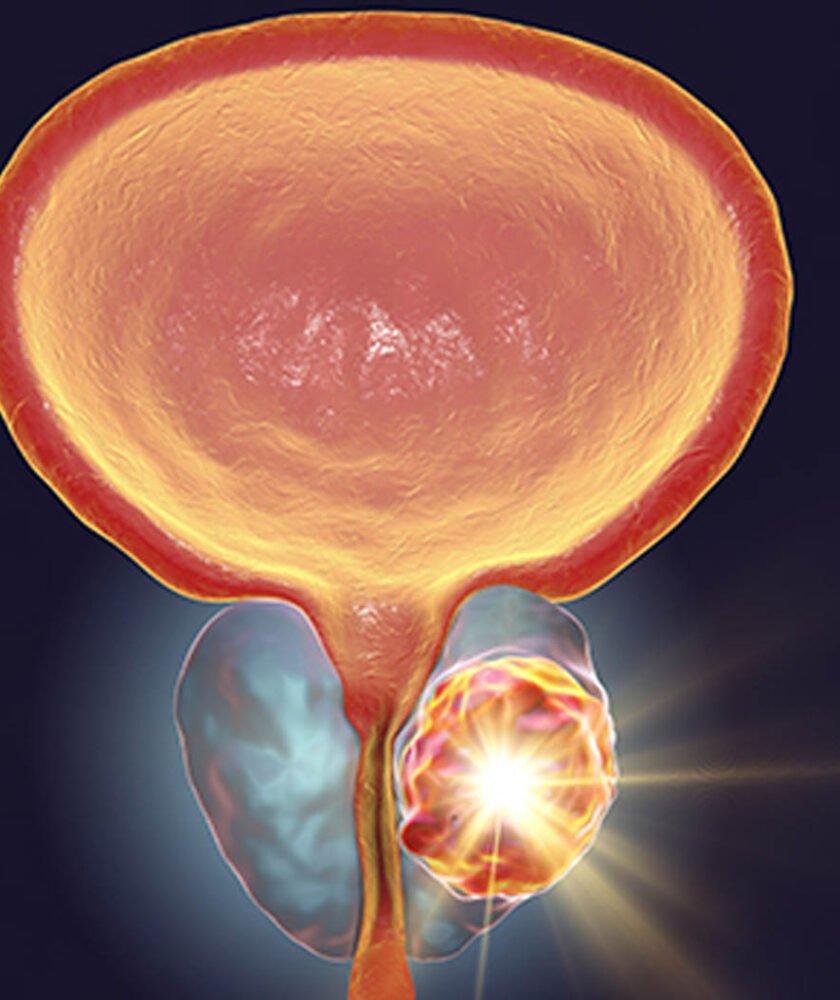
Colorectal Cancer Treatment in Mohali
What is Colorectal Cancer?
Colorectal cancer is a type of cancer that starts in the colon (large intestine) or rectum, which are important parts of the digestive system. It usually begins as small, noncancerous growths called polyps that can develop into cancer over time if left untreated. If you are looking for Colorectal Cancer Treatment in Mohali, early detection through regular screening and timely treatment can significantly improve outcomes. At Tricity Cancer Centre, we provide comprehensive evaluation and personalized treatment plans using advanced cancer care approaches tailored to each patient’s condition.
Types of Colorectal Cancer
Adenocarcinoma
Carcinoid Tumors
Gastrointestinal Stromal Tumors (GISTs)
Symptoms of Colorectal Cancer
- Changes in bowel habits (diarrhea or constipation)
- Blood in the stool
- Rectal bleeding
- Abdominal pain or cramping
- Unexplained weight loss
- Persistent fatigue
- Feeling that the bowel does not empty completely
- Weakness and anemia
- Narrow or ribbon-like stools
Causes and Risk Factors
- Age above 45 years
- Family history of colorectal cancer
- Personal history of colon polyps
- Inflammatory bowel disease (Crohn’s disease or ulcerative colitis)
- Obesity
- Smoking and tobacco use
- Excessive alcohol consumption
- Diet high in processed and red meats
- Physical inactivity
Why Consider Early Treatment?
Early diagnosis and timely treatment play a vital role in improving outcomes for colorectal cancer. Consulting an experienced Colon Cancer Doctor in Chandigarh can help ensure accurate diagnosis, appropriate treatment planning, and comprehensive care. Early treatment can help:
- Prevent cancer from spreading
- Improve survival rates
- Reduce treatment complications
- Preserve bowel function
- Enhance quality of life
- Increase the effectiveness of treatment
Benefits of Colorectal Cancer Treatment
- Personalized treatment plans
- Advanced surgical options
- Improved symptom management
- Better long-term outcomes
- Reduced risk of recurrence
- Comprehensive follow-up care
The Procedure
Treatment depends on the stage and location of the cancer.
Surgery
Surgical removal of the tumor and affected tissues is often the primary treatment.
Chemotherapy
Uses medications to kill cancer cells and reduce the risk of recurrence.
Radiation Therapy
Commonly used for rectal cancer to shrink tumors before surgery or eliminate remaining cancer cells afterward.
Targeted Therapy
Targets specific proteins or genetic mutations that help cancer grow.
Immunotherapy
Enhances the body’s immune system to recognize and attack cancer cells.
Recovery & Results
Recovery varies based on the type of treatment received and the stage of cancer. Most patients can gradually return to normal activities after treatment. Regular follow-up appointments, screenings, and a healthy lifestyle are important for monitoring recovery and preventing recurrence.
Is Colorectal Cancer Treatment Safe?
Yes. Modern colorectal cancer treatments are safe and effective when provided by experienced oncology specialists. Advanced surgical techniques and targeted therapies help minimize complications and improve treatment outcomes.
Why Choose Us?
At Tricity Cancer Centre, Dr. Sandeep Kukkar and our dedicated oncology team are committed to providing personalized, evidence-based cancer care. Using advanced technology and a multidisciplinary approach, we focus on delivering comprehensive treatment and compassionate support throughout every stage of the patient’s journey.
- Experienced oncology specialists
- Advanced diagnostic and treatment facilities
- Personalized cancer care plans
- Multidisciplinary treatment approach
- State-of-the-art technology
- Compassionate patient support
- Comprehensive rehabilitation services
- Ongoing follow-up and monitoring
Frequently asked questions
Common early signs include changes in bowel habits, blood in the stool, abdominal discomfort, and unexplained weight loss.
Yes. When detected early, colorectal cancer is highly treatable and can often be cured with appropriate treatment.
Diagnosis may involve colonoscopy, biopsy, blood tests, CT scans, MRI scans, and PET scans.
Adults aged 45 and older, or individuals with a family history or other risk factors, should discuss screening with their doctor.