Esophageal Cancer Treatment in Mohali
What is Esophageal Cancer?
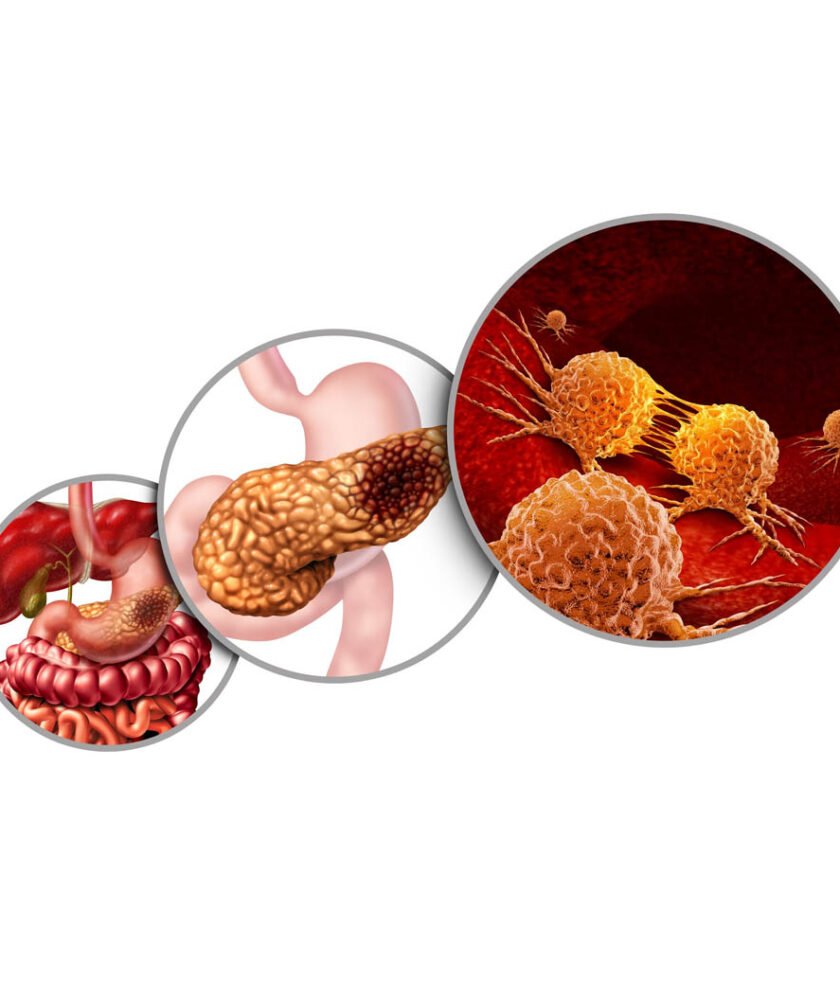
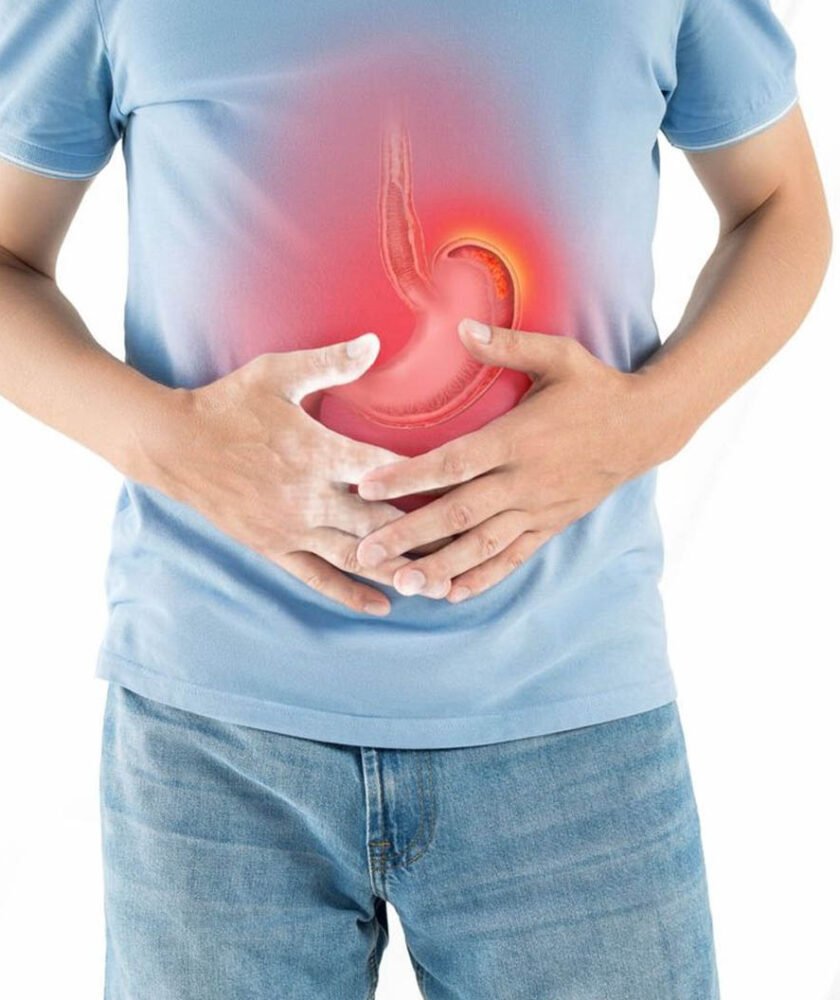
Esophageal cancer is a type of cancer that develops in the esophagus, the long muscular tube that carries food and liquids from the throat to the stomach. It often begins in the inner lining of the esophagus and can spread to deeper layers and nearby organs if not detected early. If you are looking for Esophageal Cancer Treatment in Mohali, early diagnosis and timely treatment are essential for improving outcomes and quality of life. At Tricity Cancer Centre, we provide comprehensive evaluation and personalized treatment plans using advanced cancer care approaches tailored to each patient’s condition.
Types of Esophageal Cancer
Adenocarcinoma
Squamous Cell Carcinoma
Rare Types
Symptoms of Esophageal Cancer
- Difficulty swallowing (dysphagia)
- Pain while swallowing
- Persistent heartburn or acid reflux
- Unexplained weight loss
- Chest pain or discomfort
- Chronic cough
- Hoarseness of voice
- Indigestion
- Fatigue and weakness
- Vomiting or regurgitation of food
Causes and Risk Factors
- Chronic acid reflux (GERD)
- Barrett’s esophagus
- Smoking and tobacco use
- Excessive alcohol consumption
- Obesity
- Poor dietary habits
- Increasing age
- Family history of cancer
- Exposure to certain chemicals
Why Consider Early Treatment?
Early treatment can help:
- Prevent the spread of cancer
- Improve survival rates
- Preserve swallowing function
- Reduce treatment complications
- Enhance quality of life
- Increase treatment effectiveness
Benefits of Esophageal Cancer Treatment
- Personalized treatment plans
- Advanced surgical techniques
- Improved symptom relief
- Better long-term outcomes
- Access to modern therapies
- Comprehensive follow-up care
The Procedure
At Tricity Cancer Centre, Dr. Sandeep Kukkar carefully evaluates each patient to determine the most appropriate treatment approach based on the stage of cancer, overall health, and individual treatment goals.
Treatment depends on the stage, location, and overall health of the patient.
Surgery
Surgery may involve removing part or all of the affected esophagus and reconstructing the digestive tract.
Chemotherapy
Chemotherapy uses anti-cancer drugs to destroy cancer cells and may be given before or after surgery.
Radiation Therapy
High-energy radiation is used to shrink tumors and eliminate cancer cells.
Targeted Therapy
Targets specific proteins and genetic changes that help cancer grow and spread.
Immunotherapy
Stimulates the body’s immune system to recognize and fight cancer cells more effectively.
Recovery & Results
Recovery varies depending on the type of treatment received. Patients may require dietary modifications, rehabilitation, and regular follow-up visits. With advanced treatment approaches, many patients experience improved symptom control and better quality of life.
Is Esophageal Cancer Treatment Safe?
Yes. Esophageal cancer treatment is generally safe when performed by experienced oncology specialists. Modern surgical techniques, advanced technologies, and personalized treatment planning help minimize risks and improve outcomes.
Why Choose Us?
At Tricity Cancer Centre, we are committed to delivering comprehensive, patient-centered cancer care. Led by Dr. Sandeep Kukkar, our team combines advanced technology, personalized treatment planning, and compassionate support to provide high-quality care for patients with esophageal cancer.
- Experienced oncology specialists
- Comprehensive cancer care services
- Advanced diagnostic technology
- Personalized treatment plans
- Multidisciplinary approach to cancer treatment
- Modern surgical and treatment facilities
- Compassionate patient support
- Dedicated follow-up and rehabilitation care
Frequently asked questions
Difficulty swallowing is often one of the earliest and most common symptoms of esophageal cancer.
Yes. When detected early and treated appropriately, esophageal cancer can often be successfully managed and, in some cases, cured.
Diagnosis may include endoscopy, biopsy, CT scans, PET scans, MRI scans, and other imaging tests.
Treatment options include surgery, chemotherapy, radiation therapy, targeted therapy, and immunotherapy.
Recovery time depends on the type of treatment and the patient’s overall health. Your oncology team will provide a personalized recovery plan.
While not all cases can be prevented, avoiding tobacco, limiting alcohol consumption, maintaining a healthy weight, and managing acid reflux can help reduce the risk.