
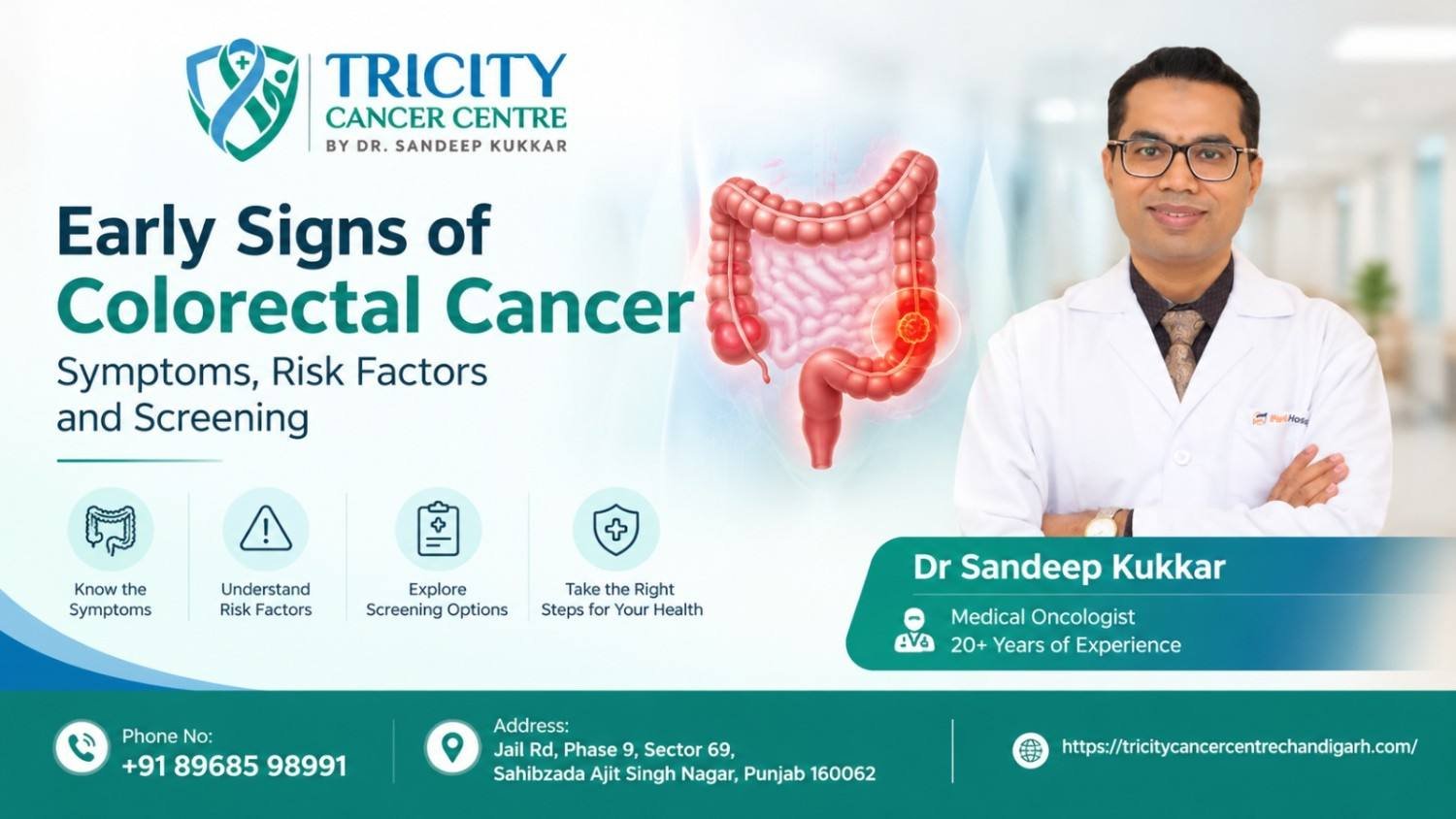
What Is Colorectal Cancer?
Colorectal cancer develops in the colon or rectum, which are parts of the large intestine. The colon absorbs water and helps form stool, while the rectum stores stool before it leaves the body. Although colon cancer and rectal cancer are often grouped together as colorectal cancer, their location can influence medical evaluation and treatment.
Colorectal cancer may develop from abnormal growths called polyps. Some polyps, particularly certain types of adenomas, can become cancerous over time, although not every polyp develops into cancer.
Recognising the early signs of colorectal cancer and understanding appropriate screening options can help people seek medical advice when necessary. However, some colorectal cancers cause no noticeable symptoms in their early stages.
What Are the Early Signs of Colorectal Cancer?
Colorectal cancer symptoms can vary depending on the location and extent of the disease. Some symptoms may also occur with common digestive conditions, so they should not automatically be interpreted as cancer.
1. Changes in Bowel Habits
Persistent changes in bowel habits may include diarrhoea, constipation, more frequent bowel movements or a change in stool consistency. Some people may notice narrower stools or a feeling that the bowel has not emptied completely.
The medical term tenesmus describes a persistent feeling of needing to pass stool even when the bowel may already be empty. It can occur in several bowel conditions, including conditions affecting the rectum, and is not specific to colorectal cancer.
If bowel changes persist, recur or occur alongside other concerning symptoms, seek medical evaluation.
2. Blood in the Stool or Rectal Bleeding
Rectal bleeding means blood passes from the rectum or anus. It may appear as bright-red blood on toilet paper or in the stool. Dark or black, tar-like stool can sometimes indicate bleeding higher in the digestive tract.
Haemorrhoids, anal fissures, inflammatory bowel disease and other conditions can also cause bleeding. Therefore, blood in the stool does not necessarily mean cancer. Nevertheless, unexplained rectal bleeding should be assessed by a healthcare professional rather than assumed to have a harmless cause.
3. Persistent Abdominal Pain or Discomfort
Ongoing abdominal cramps, pain, bloating or discomfort may occur with colorectal cancer, although these symptoms have many possible causes.
Pay particular attention when abdominal discomfort occurs with persistent changes in bowel habits, rectal bleeding or unexplained weight loss.
4. Unexplained Weight Loss
Losing weight without intentionally changing your diet or activity level can be a warning sign of an underlying health problem. Although many conditions can cause unintended weight loss, it can sometimes accompany colorectal cancer.
A healthcare professional can assess the symptom alongside medical history, examination findings and other relevant investigations.
5. Fatigue and Iron-Deficiency Anaemia
Some colorectal cancers cause slow, ongoing blood loss that may not be visible in the stool. Over time, this can contribute to iron-deficiency anaemia, a condition in which the body lacks sufficient iron to produce healthy haemoglobin levels.
Possible symptoms include fatigue, weakness, reduced stamina, dizziness and breathlessness during activity. Blood tests may help identify anaemia, but further evaluation is needed to establish its cause.
6. Symptoms of Bowel Obstruction
In some cases, colorectal cancer can narrow or block the intestine, leading to a bowel obstruction. This is not a routine early symptom, but it is a potentially serious complication.
Warning signs can include severe or worsening abdominal pain, abdominal swelling, vomiting and an inability to pass stool or gas. These symptoms require urgent medical assessment.
Important: Colorectal cancer can develop without noticeable symptoms. Symptoms alone cannot confirm or rule out cancer, and persistent or unexplained changes should be assessed appropriately.
What Are the Risk Factors for Colorectal Cancer?
Several factors may increase the risk of developing colorectal cancer, although having a risk factor does not mean someone will necessarily develop the disease.
Common colorectal cancer risk factors include:
- Increasing age: Risk generally increases with age, although colorectal cancer can also affect younger adults.
- Family history: A close relative with colorectal cancer or certain colorectal polyps may increase risk.
- Previous polyps or colorectal cancer: A personal history of certain polyps or colorectal cancer may affect future risk.
- Inherited conditions: Lynch syndrome and familial adenomatous polyposis (FAP) are inherited conditions associated with increased colorectal cancer risk.
- Inflammatory bowel disease: Long-standing ulcerative colitis or Crohn’s disease involving the colon may increase risk.
- Lifestyle factors: Physical inactivity, excess body weight, smoking, alcohol consumption and diets high in processed meat may contribute to risk.
People with a strong family history, an inherited condition or long-standing inflammatory bowel disease may need a different screening schedule from average-risk individuals. A healthcare professional can recommend an appropriate plan.
How Is Colorectal Cancer Screening Done?
Colorectal cancer screening aims to identify cancer or certain precancerous changes before symptoms develop. Screening is different from diagnostic testing: someone with concerning symptoms may need medical evaluation regardless of their age or previous screening results.
1. Faecal Immunochemical Test (FIT)
FIT is a stool-based test that detects small amounts of blood in stool that may not be visible. A positive result does not confirm cancer, but it generally requires follow-up evaluation, often with colonoscopy.
2. Other Stool-Based Tests
Depending on the screening programme, other stool tests may be used to look for hidden blood or markers associated with colorectal cancer. The appropriate test and interval depend on the applicable guidance and individual risk.
3. Colonoscopy
A colonoscopy for colorectal cancer involves using a flexible instrument with a camera to examine the lining of the colon and rectum. During the procedure, a clinician may remove certain polyps or collect tissue samples for laboratory examination.
Colonoscopy may be used for screening or to investigate symptoms and abnormal test results. The preparation and procedure should be explained by the healthcare team.
4. Further Diagnostic Investigations
Depending on the symptoms and initial findings, a clinician may recommend blood tests, imaging or additional procedures. If cancer is suspected or confirmed, further tests may be needed to establish its extent and guide treatment planning.
Screening recommendations vary by country and individual risk. Some international guidelines recommend routine screening from age 45 for average-risk adults, but this should not be treated as a universal recommendation for everyone in India. Discuss suitable screening with a qualified healthcare professional.
When Should You Consult a Doctor?
Seek medical advice if you experience persistent changes in bowel habits, unexplained rectal bleeding, ongoing abdominal discomfort, unintended weight loss or symptoms that may indicate anaemia.
Do not wait for symptoms to become severe before seeking an assessment. If you experience severe abdominal pain, repeated vomiting, marked abdominal swelling or an inability to pass stool or gas, seek urgent medical care because these may indicate bowel obstruction.
People researching colorectal cancer treatment in Chandigarh should first receive an appropriate medical evaluation. The need for further testing and the choice of treatment depend on the diagnosis, disease stage and individual circumstances.
When looking for the Best Oncologist in Chandigarh, patients should consider a specialist’s qualifications, relevant clinical experience and expertise in managing cancer. The appropriate medical professional can help assess symptoms, interpret investigation results and explain suitable next steps based on an individual’s diagnosis and needs.
Can You Reduce the Risk of Colorectal Cancer?
No lifestyle measure can eliminate colorectal cancer risk completely. However, evidence-informed habits may help reduce some risk factors and support general health.
- Eat a balanced diet that includes vegetables, fruits, whole grains and other fibre-rich foods.
- Limit processed meat and avoid excessive consumption of red meat.
- Stay physically active and maintain a healthy body weight.
- Avoid tobacco and limit or avoid alcohol.
- Discuss screening recommendations based on your age, family history and medical background.
Lifestyle changes do not replace recommended screening or medical assessment when symptoms occur.
Frequently Asked Questions
1. What are the early signs of colorectal cancer?
Possible symptoms include changes in bowel habits, rectal bleeding, persistent abdominal discomfort, unexplained weight loss and iron-deficiency anaemia. Some people have no symptoms in the early stages.
2. Does blood in the stool always mean colorectal cancer?
No. Haemorrhoids, anal fissures and other conditions can cause bleeding. However, unexplained rectal bleeding should be medically assessed.
3. Can colorectal cancer develop without symptoms?
Yes. Colorectal cancer and certain precancerous polyps may be present without noticeable symptoms. Appropriate screening can help identify disease before symptoms appear.
4. Is colorectal cancer the same as small intestine cancer?
No. Colorectal cancer affects the colon or rectum, which are parts of the large intestine. Small intestine cancer develops in the small intestine and is a different disease.
5. What is the difference between screening and diagnostic colonoscopy?
Screening, on the other hand, is intended for people without symptoms who meet the relevant screening criteria. However, if a person develops symptoms, receives a positive stool test result, or has another abnormal finding, a diagnostic colonoscopy may be recommended to investigate the cause further.
Conclusion
Understanding the early signs of colorectal cancer can help people recognise concerning changes and seek appropriate medical advice. Persistent bowel changes, rectal bleeding, unexplained weight loss and possible iron-deficiency anaemia deserve attention, although they do not necessarily indicate cancer. Screening decisions should reflect individual risk and applicable medical guidance.
For readers researching the Best Cancer Hospital in Chandigarh, it is important to consider the availability of appropriate diagnostic services, qualified cancer specialists and coordinated care. Tricity Cancer Centre Chandigarh provides a relevant local point of reference for people seeking information about cancer care. Dr Sandeep Kukkar, Medical Oncologist, may be consulted for relevant cancer-related evaluation and guidance, depending on individual medical needs.
Medical Disclaimer: This article is for educational and informational purposes only. It does not replace professional medical advice, diagnosis or treatment. Consult a qualified healthcare professional for personalised medical guidance.
