

Finding the right Blood Cancer Treatment in Mohali starts with understanding the disease, and knowing the early signs can make a real difference. Blood cancer affects the blood, bone marrow and lymphatic system. Its symptoms are often mistaken for common problems like tiredness or frequent infections. September is observed as Blood Cancer Awareness Month, a good time to learn the warning signs. This guide from Tricity Cancer Centre Chandigarh explains the types, symptoms, diagnosis and treatment options in simple language.
What Is Blood Cancer?
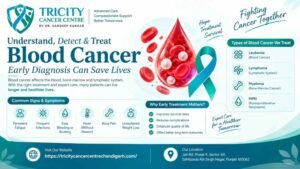
Blood cancer begins when abnormal cells in the bone marrow or lymphatic system multiply uncontrollably. As a result, these cells crowd out healthy blood cells, weakening the body’s ability to fight infection, carry oxygen and stop bleeding. In general, the three main types are:
- Leukemia: cancer of the white blood cells that starts in the bone marrow. It can be acute (fast-growing) or chronic (slow-growing).
- Lymphoma: cancer of the lymphatic system, including Hodgkin and non-Hodgkin lymphoma. It is often first noticed as painless swollen lymph nodes.
- Multiple myeloma: cancer of the plasma cells in the bone marrow. It can cause bone pain, kidney problems and low immunity.
Blood Cancer Symptoms: When to See a Doctor
Symptoms vary by type and may develop slowly. Common blood cancer symptoms include:
- Persistent tiredness and weakness
- Frequent or recurring infections and fever
- Unexplained weight loss and night sweats
- Easy bruising, nosebleeds or bleeding gums
- Painless swelling in the neck, armpit or groin
- Bone or joint pain
- Pale skin and breathlessness
- Fullness or discomfort in the abdomen
These signs can also be caused by less serious conditions. But if they persist, keep returning or get worse, see a doctor promptly instead of waiting. Early evaluation helps in starting the right treatment sooner.
How Is Blood Cancer Diagnosed?
Diagnosis begins with a physical examination and medical history, followed by tests chosen according to your symptoms:
- Complete blood count (CBC) and peripheral smear: check blood cell numbers and appearance.
- Bone marrow aspiration and biopsy: examine the marrow directly, which is key for diagnosing leukemia and myeloma.
- Flow cytometry, cytogenetic and molecular tests: identify the exact subtype and genetic changes that guide treatment.
- Lymph node biopsy: confirms lymphoma.
- Imaging (CT, PET-CT, MRI): show how far the disease has spread.
- Protein and urine tests: used mainly when multiple myeloma is suspected.
An accurate diagnosis of the exact type, and the stage or risk group where applicable, is the foundation for planning treatment.
Blood Cancer Treatment Options
Treatment depends on the type and subtype, stage or risk group, your age, overall health and test results. Modern blood cancer care is highly personalised. The main options are:
- Chemotherapy: drugs that destroy fast-dividing cancer cells. It is a main treatment for many leukemias and lymphomas.
- Targeted therapy: drugs that act on specific abnormalities in cancer cells while sparing healthy cells as much as possible. It is widely used in conditions such as chronic myeloid leukemia and myeloma.
- Immunotherapy: helps the immune system recognise and attack cancer cells. It is used in selected patients after careful evaluation.
- Radiation therapy: used in selected lymphomas or to relieve local symptoms.
- Stem cell (bone marrow) transplant: may be recommended for selected patients, depending on the type of cancer, response to treatment and overall fitness.
- Supportive care: blood transfusions, infection prevention, nutrition and emotional support alongside treatment.
Some slow-growing blood cancers only need regular monitoring at first. That is why effective Blood Cancer Treatment in Mohali begins with a personalised plan from a medical oncologist. At Tricity Cancer Centre Chandigarh, Dr. Sandeep Kukkar reviews each patient’s reports and discusses the options, benefits and possible side effects before treatment begins.
Why Choose Tricity Cancer Centre Chandigarh?
If you are looking for the best oncologist in Mohali for blood cancer, look for an experienced medical oncologist who explains the diagnosis clearly and plans treatment around the patient. Dr. Sandeep Kukkar, Director – Medical Oncology, holds a DM in Medical Oncology and treats a wide range of cancers, including blood cancers, breast cancer and lung cancer, with an evidence-based, patient-centred approach. Patients at Tricity Cancer Centre Chandigarh can expect:
- A detailed evaluation and a clear explanation of the diagnosis
- Personalised treatment planning based on cancer type and stage
- Access to chemotherapy, targeted therapy and immunotherapy guidance
- Ongoing monitoring and emotional support during treatment
Take the First Step Early
If you or a family member has symptoms that worry you, don’t wait. Early diagnosis and timely Blood Cancer Treatment in Mohali can help improve outcomes. Book a consultation at Tricity Cancer Centre Chandigarh for a proper evaluation and a treatment plan built around the patient.
Frequently Asked Questions
What are the early symptoms of blood cancer?
Early symptoms include persistent fatigue, recurring infections or fever, unexplained weight loss, easy bruising or bleeding, and painless swollen lymph nodes. These can have other causes too, so see a doctor if they last or keep coming back.
Is blood cancer curable?
The outcome depends on the type and subtype of blood cancer, its stage or risk group, the patient’s age and how well the disease responds to treatment. Many blood cancers can be controlled or treated effectively, and some can be cured, especially when found early. Your oncologist can explain what to expect in your case.
Which tests are needed to diagnose blood cancer?
Doctors usually start with a complete blood count and peripheral smear. Depending on the suspected type, further tests may include a bone marrow biopsy, flow cytometry, genetic or molecular tests, a lymph node biopsy and imaging such as CT or PET-CT.
Who should I consult for blood cancer treatment in Mohali?
To begin with, you should consult a medical oncologist, that is, a cancer specialist trained in treating cancers with drugs such as chemotherapy, targeted therapy and immunotherapy. For example, at Tricity Cancer Centre Chandigarh, you can consult Dr. Sandeep Kukkar, a blood cancer specialist in Mohali, for evaluation and treatment planning.
